
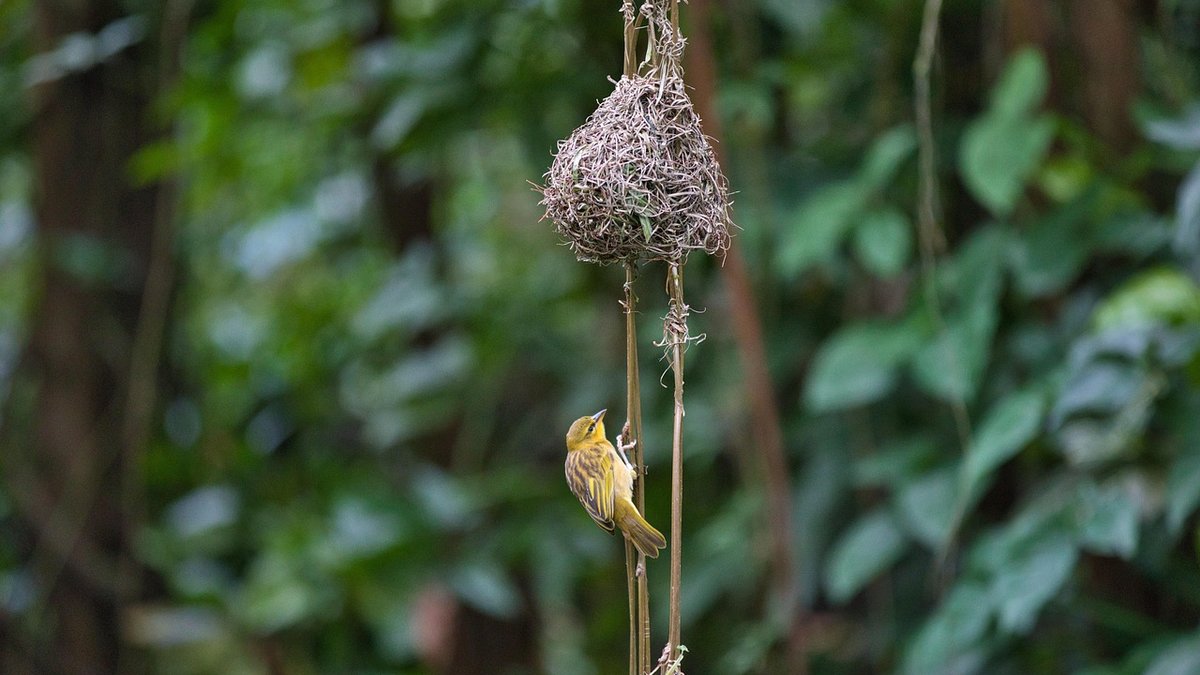
The UK has lost the great majority of its original wetlands over the past few centuries, and much of what remains is small, fragmented and vulnerable. A gravel pit with a fringe of reed, a disused canal arm, a damp corner of a country park, a marsh fed by a spring line — these modest places can still hold remarkable wildlife. Reed warblers and sedge warblers nest in the stems, bitterns hunt the margins, water voles tunnel the banks, great crested newts breed in the shallows, and banded demoiselles and hairy dragonflies patrol the edges.
Looking after them takes more than goodwill. It takes hands: people to pick litter, count birds, clear scrub, rake cut reeds, check nest boxes and keep an eye on water levels. A reserve with two paid staff and forty volunteers achieves far more than either could alone. The good news is that almost every task has a version suited to almost every level of fitness and experience.
Litter at the waterside is not merely untidy. Discarded fishing line and hooks entangle swans, geese and moorhens; lead weights and shot poison waterfowl that mistake them for grit; plastic bottles and bags break down into fragments that enter the food chain; balloon ribbons and stray dog waste bags snag on reeds and willow. A couple of hours with a litter picker and a sturdy bag genuinely saves lives.
Survey work rewards consistency far more than expertise. A monthly wildfowl count along a fixed stretch of shoreline, walked at roughly the same water level each time, tells you more over a year than a single spectacular morning. Other roles include dragonfly and butterfly transects through the summer, torch surveys for frogs, toads and newts on mild, damp evenings from February to April, aquatic invertebrate sampling with nets and white trays, and small mammal footprint tunnels baited with seed.
Record the date, time, weather and grid reference on every visit. Most county bird clubs and local recording centres are delighted to receive casual records, and an experienced mentor will happily help you separate a jack snipe from a common snipe, or a female gadwall from a mallard. Nobody expects you to know everything on day one, and identification skills build surprisingly quickly with regular visits to the same site.
Reedbeds are perhaps the most hands-on habitat you can help with. Left alone, they dry out and scrub over with willow and birch, and the specialist birds move on. Managed well — cut in rotation, section by section, roughly every three to five years — they support a rich mix of young and older growth, which is exactly what bearded tits, reed warblers and hunting bitterns need. Water levels may also be adjusted with sluices, and ditches cleared to keep channels open.
The work is physical but satisfying: loppers and bowsaws for the woody stems, brushcutters and rakes for the reed, then carrying or burning the cuttings well away from the wet ground so nutrients do not leach back in and enrich the water. All of it happens between October and February, before the nesting season starts. Bring wellies, a waterproof jacket, thick gloves and a flask.
Birdwatching and volunteering overlap more than people realise. A familiar route walked regularly — checking a tern raft, monitoring nest boxes, looking for otter spraints on a bridge or water vole latrines on a bank — provides the long-term data on which conservation decisions rest. Keep disturbance low: move slowly, use hedges and banks as cover, and stick to paths between March and July when birds are nesting.
Biosecurity matters too. Clean and dry your boots and kit between sites so you do not carry invasive plant fragments or diseases such as crayfish plague into a new water body. Cover any cuts, wash your hands before eating, and ask your group about leptospirosis guidance — it is a genuine risk in wet ground and worth taking seriously.
Most wetland reserves run an annual programme of work parties, surveys and guided walks, and no experience is needed. Ask at a reserve visitor centre, a local conservation group, a river or canal trust, or your parish council if you are unsure who manages a particular site. Tell the organiser about asthma, allergies or any mobility issue, and mention if you would rather survey than swing a brushcutter — both are needed, and both count.
Turn up a few times a year, learn the site, and your local knowledge becomes genuinely valuable: you will notice the early signs of a failing sluice, a new invasive plant or an unusual arrival. Wetland wildlife is under real pressure, but it responds quickly when people give it a hand.

Hi, my name is Anthony kuber. I am artist and fashion designer.
I love to travel and writing blogging.
Your email address will not be published. Required fields are marked *
Software Developer & Writer
Hey, I'm Diva, a developer and writer blending code and creativity. I'm driven by a deep curiosity and a relentless pursuit of excellence. Join me as I craft digital solutions and captivating stories.


