
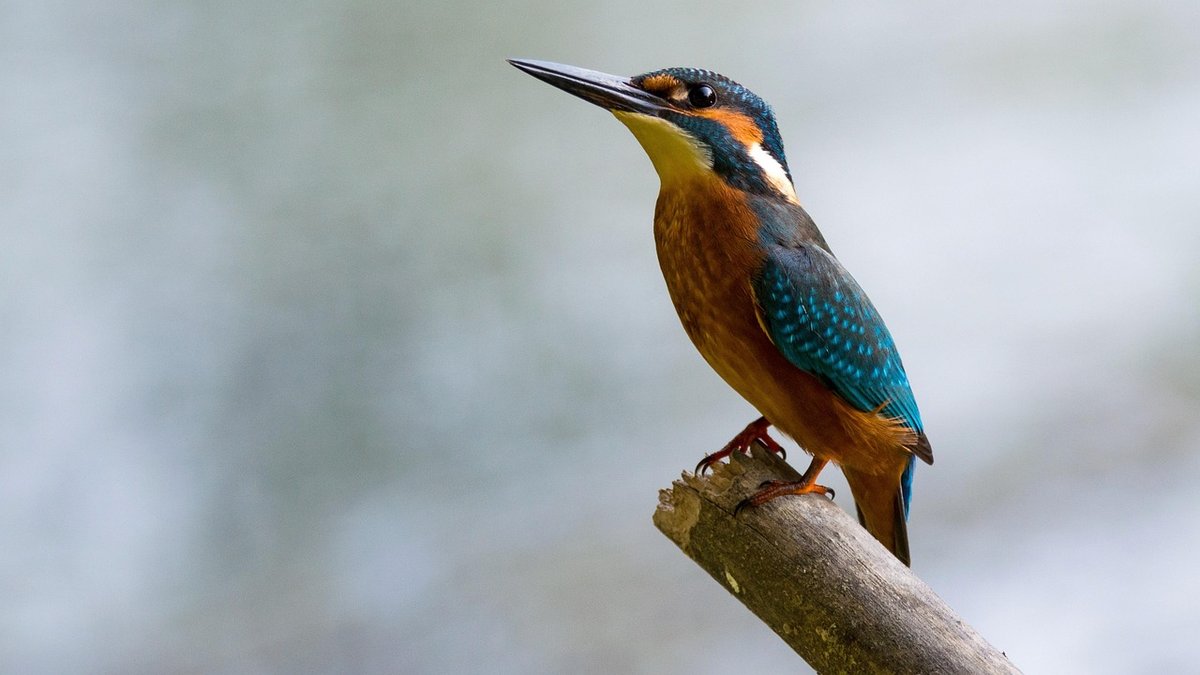
By late September the lakeside changes character. Willowherb has gone to white down, the reedbeds rattle in the wind, and the first gales start combing seeds off the trees and dumping them in long, dark windrows along the water's edge. For anyone who walks the shore regularly, this is the best month or two of the year to watch wildlife, because the food is suddenly obvious and everything that eats it is on the move.
The great advantage of a shoreline is that wind and water gather things for you. Climb a bank beside a reservoir and you'll find seeds rafted into the corners; walk a leeward gravel spit on a canal or a lowland mere and you'll find husks, shells and nibbled fruit. Learn to read those small piles and you'll know exactly what's been feeding and where.
Hedgerows and scrub along the water's edge carry the heaviest crop. Hawthorn is the backbone, weighed down with red haws from September into December. Blackthorn gives sloes — small, hard, mouth-puckering fruit best left until after a frost. Dog rose hips glow a deep orange, and rowan berries hang in tight scarlet clusters on trees growing along embankments.
Watch for the order in which birds take them. Rowan goes first, often stripped within a fortnight of the first cold snap. Then hawthorn, then hips and haws on the more sheltered banks. Guelder rose — a favourite of damp ground beside canals and fenland drains — is usually left until last, and bramble lingers longest of all.
A word of caution: leave the fruit alone. A hedgerow stripped by human hands in October is a hedgerow that starves its birds in January.
Where oaks, hazels and beeches stand within a few metres of a bank or loch shore, autumn brings mast. Hazel cobs ripen in September, and the tell-tale sign is a shell with a neat, round hole, nibbled at the end of the nut — the work of a small mammal, often a wood mouse or dormouse, rather than a bird. Squirrels leave a ragged, cracked shell; jays swallow acorns whole and cache them inland.
Look for:
Alder is the great waterside tree, and its seeds are built for drifting. The small cones stay on the tree through winter, shedding seed onto water and wind alike — which is why siskins and lesser redpolls gather in alder carr beside meres and gravel pits, hanging upside down like tiny acrobats to pick them out.
Reedmace, better known as bulrush, bursts into brown seed down in late autumn, and yellow iris pods split into orange-brown seed packets that rattle in the wind. Sedges and bur-reed line the shallows, their seeds dropping into the margins where teal and mallard dabble and water rails creep. On a windy day, sit with your back to a leeward shore and watch the surface — you'll often see seeds, fluff and leaf litter drifting past in a slow, endless procession.
Position matters more than patience. Approach into the wind, keep low, and use the bank as cover. Scan the strandline first — that dark ribbon of debris marks where seeds come to rest, and where small mammals and ground-feeding birds are most likely to be. Then work the berry hedges, then the taller trees.
Autumn shores are often slippery, half mud and half fallen leaf, so a walking pole and proper boots earn their keep. Keep to established paths where possible; reedbeds and wet woodland are easily trampled and are already under pressure from rising water levels and development.
Keep dogs close and, near wintering waterbirds, on a lead — a single sprint through a roost can cost birds energy they cannot spare before a cold snap. Carry binoculars, a notebook and a hand lens for looking at gnawed shells, and wash your boots before moving between wetlands.
Finally, go early and go often. The shoreline larder changes week by week — rowan gone, haws stripped, alder seed falling, the first hard frost turning the sloes soft. That slow shift is the whole pleasure of autumn walking, and it is best read one quiet morning at a time.

Hi, my name is Anthony kuber. I am artist and fashion designer.
I love to travel and writing blogging.
Your email address will not be published. Required fields are marked *
Software Developer & Writer
Hey, I'm Diva, a developer and writer blending code and creativity. I'm driven by a deep curiosity and a relentless pursuit of excellence. Join me as I craft digital solutions and captivating stories.


