
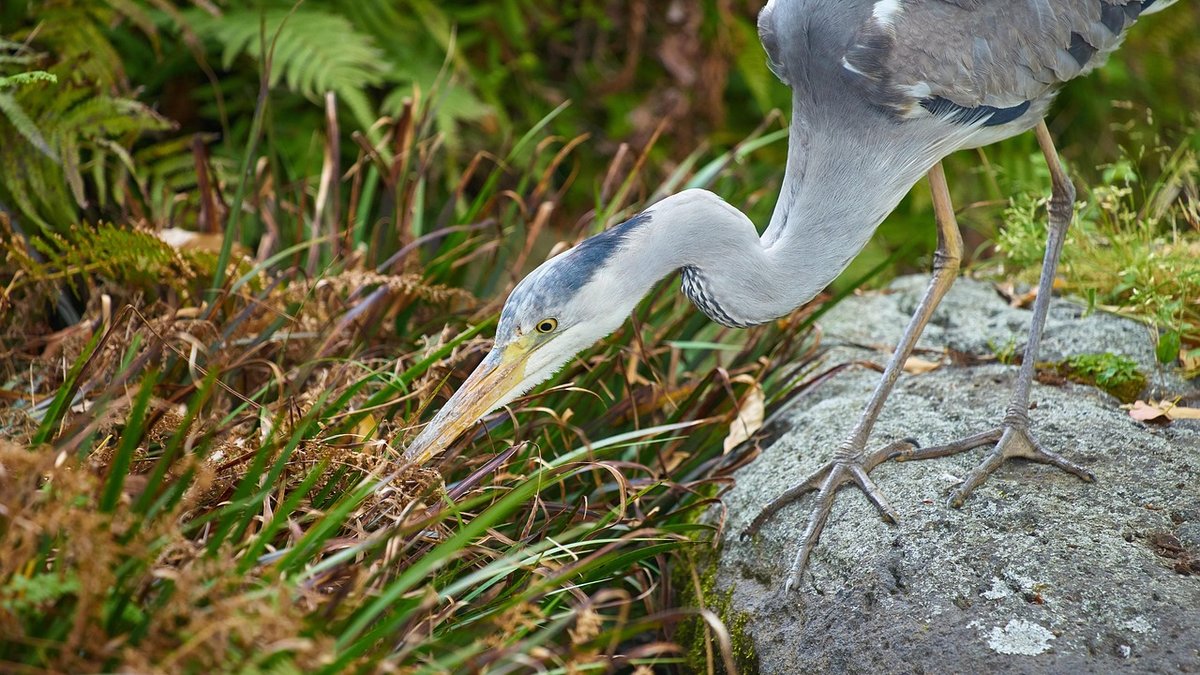
Reservoirs are often overlooked as wildlife destinations, which is a shame, because between mid-March and mid-May they can be the most exciting places in the British countryside. They combine three things that returning migrants need: huge expanses of open water for feeding, bare vertical banks for nesting, and a patchwork of woodland, hedgerow and scrub along the shore for insects and cover.
The timing is rarely accidental. Prevailing south-westerly winds carry birds up from Africa and Iberia, and the first warm, damp days after a spell of Atlantic weather bring clouds of midges, chironomids and caddisflies off the water. That is the signal the early arrivals are waiting for. A reservoir that looks flat and empty in February can hold hundreds of birds within a fortnight.
Go early in the day if you can. Between roughly six and ten in the morning the light is low and soft, insects are emerging, and the birds are feeding hard before the wind picks up.
Sand martins usually beat both swallows and house martins back to Britain, with the first birds appearing in the second half of March and numbers building through early April. They are the smallest of our hirundines, brown above and white below, with a distinct dark band across the chest and a quick, flicking, low flight that rarely lifts far above the surface.
Watch for them hawking over the water in loose, chattering flocks, especially along the windward shore where insects are being pushed. Their twittering calls are thin and dry compared with a swallow's liquid song, and once you tune in you can pick them out at surprising distance.
Reservoirs suit them perfectly. They nest colonially in vertical banks, and many sites have either natural sandy faces, drainage outfalls or purpose-built nesting banks. A cold, wet snap in late March can knock them back badly, and after a hard frost you may find them feeding inches above the water, taking whatever midges are still about. Look for them congregating on wires, dam walls and sheltered banks to warm through.
Walk any sheltered path along the tree line from mid-March and you should hear chiffchaffs — a steady, unvarying two-note song that gives the bird its name. A few now overwinter in Britain, but the bulk arrive as migrants, with a clear peak in the second half of March.
Identifying them is easier than the books suggest. Chiffchaffs have dark legs, a habit of dipping the tail, and a neat, compact look. Willow warblers arrive three or four weeks later and look almost identical, but their song is a soft, descending ripple and their legs are noticeably pale. Once both are singing, the confusion evaporates.
Blackcaps arrive in early April and sing from scrub and the edges of car parks, while sedge warblers and reed buntings take up residence in the marginal vegetation from mid-April. Sunny, sheltered corners near the water are the best places to look: south-facing scrub, bramble patches, and the strip of trees between the footpath and the shoreline.
For many birdwatchers, the osprey is the headline act. Birds heading for Scottish breeding grounds move through England between late March and early May, and inland reservoirs with good fish stocks are classic stopping-off points. They often stay for a few days, fishing morning and evening, before moving on.
Scan with binoculars for a large, long-winged raptor with a white body and dark eye stripe, hovering at height before plunging feet-first into the water. If you see a slow, heavy flap and a bird rising with a fish held head-forward, you have your osprey.
Keep an eye out for other passage birds too: common terns from late April, the occasional little gull, lingering goldeneye and goosander, and common sandpipers bobbing along the drawdown shoreline. Great crested grebes will be displaying — that rearing, weed-shaking dance is worth a full hour of anyone's morning.
A few practical points make all the difference. Check the wind first: a day after a south-westerly with overnight rain is usually excellent, while a cold easterly tends to push birds to the sheltered leeward shore and make everything skulk.
Spring at a reservoir is a moving target, which is exactly what makes it worth returning to week after week. One visit you have sand martins and a lone chiffchaff; the next you have terns, warblers in full song and an osprey working the far end of the water. Take your time, walk quietly, and let the season come to you.

Hi, my name is Anthony kuber. I am artist and fashion designer.
I love to travel and writing blogging.
Your email address will not be published. Required fields are marked *
Software Developer & Writer
Hey, I'm Diva, a developer and writer blending code and creativity. I'm driven by a deep curiosity and a relentless pursuit of excellence. Join me as I craft digital solutions and captivating stories.


