
A pond is the single most generous thing you can add to a British garden. It brings water, and water brings life: frogs, newts, damselflies, dragonflies, bathing sparrows, drinking hedgehogs and bats hunting at dusk. You do not need a large plot or deep pockets. A sunken half-barrel or a lined hollow about the size of a dining table will do, provided you build it with wildlife in mind rather than tidiness.
Choose somewhere that gets sun for at least half the day. Dragonflies and damselflies need warmth to fly and to hunt, and most flowering marginals sulk in shade. A little dappled shade is no bad thing, but avoid sitting the pond directly under a big sycamore or willow, where falling leaves will feed the water with nutrients and turn it green.
Keep away from low corners where rainwater runs off a path, patio or vegetable bed. That run-off carries soil, compost and fertiliser, and a pond overfed in this way produces blanketweed all summer. Finally, think about where you will actually watch from. A pond visible from a kitchen window, but with a shrub or hedge within a couple of metres for cover, gives you the best of both worlds.
As a rule of thumb, aim for around 1.5 metres by 1 metre, with a centre about 60 to 75 centimetres deep. That depth keeps the water cool in July and stops the pond freezing solid in a hard winter, which is where frogs and newts prefer to spend the coldest weeks. Container ponds are lovely, but they warm and freeze quickly, so they suit plants and insects better than amphibians.
Steep, sheer sides are the commonest mistake. Wildlife needs a way to enter and leave safely, and so does anything that accidentally falls in.
Good planting does most of the work of keeping a pond healthy. Use three layers. Beneath the surface, grow oxygenators such as hornwort and water starwort to compete with algae and shelter tadpoles. On the surface, add one small native water lily, or let broad-leaved pondweed float — aim to cover roughly half to two-thirds of the surface by midsummer, leaving open water for dragonflies to patrol and birds to bathe in.
Around the margins, plant in baskets of loam-based compost or straight into the shelf: water forget-me-not, brooklime, marsh marigold, water mint, flowering rush and yellow flag iris. Behind them, ragged robin, purple loosestrife and soft rush soften the edge and give frogs somewhere to hide. Avoid invasive thugs such as floating pennywort, water fern, parrot's feather and New Zealand pygmyweed, which can smother a pond in a season, and never take plants from the wild.
A new pond almost always turns green in its first spring. This is normal, and it usually settles by itself as plants establish. Top up with rainwater from a butt rather than tap water, which adds nutrients and chlorine. Do not keep fish: even a few goldfish will eat tadpoles, newt larvae and dragonfly nymphs, and their waste feeds the algae.
If blanketweed takes hold, twirl it out with a stick and leave the tangle on the pond edge for a day so invertebrates can crawl back. Barley straw or a bundle of submerged oxygenators can help, as can shading part of the surface with leaves. Never use pesticides, algicides or fish treatments anywhere near a wildlife pond.
Only de-silt every few years, taking one section at a time and working in early autumn.
Patience pays. Common frogs usually arrive in February or March, followed by toads a few weeks later — you will know them by the strings of spawn rather than clumps. Tadpoles hatch in April, and smooth and palmate newts often appear the same spring. By late May the first damselflies arrive, blue-tailed and large red, with common darters, southern hawkers and emperors following through summer.
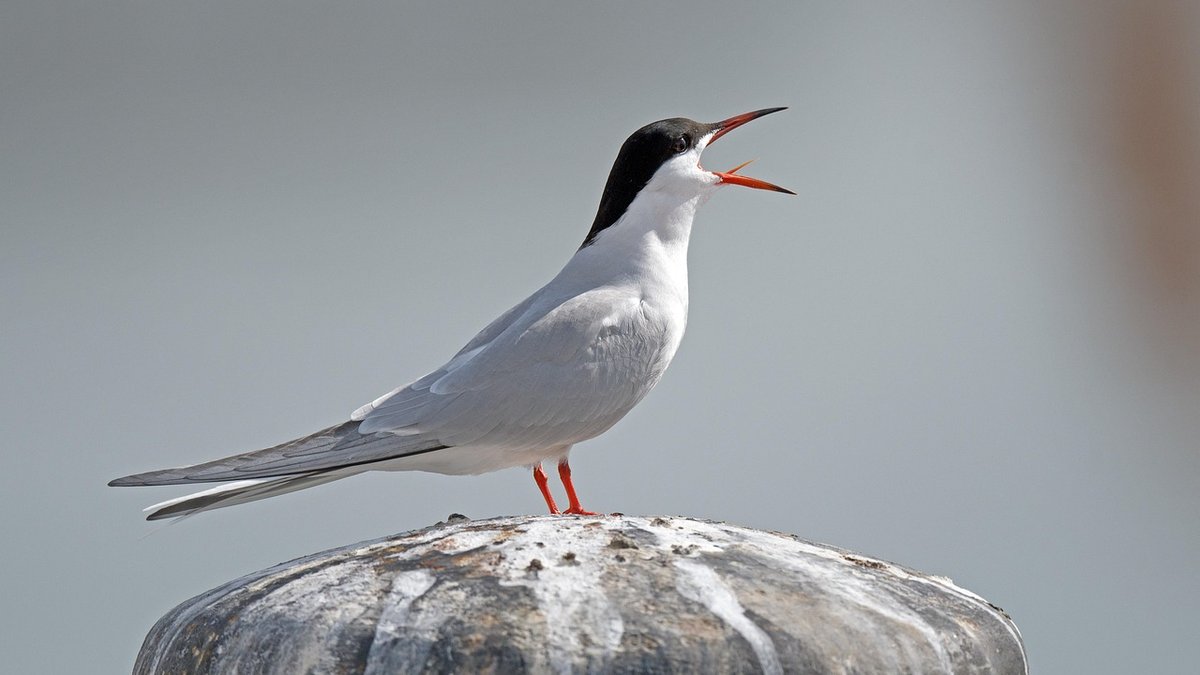
Birds use a pond all year: blackbirds, house sparrows and starlings splashing in the shallows, swallows and house martins skimming for insects, and a song thrush drinking from the pebble beach at dawn. Leave a branch overhanging the water as a perch. Within a season or two, a small, scruffy, well-planted pond becomes the busiest square metre in the garden — and the easiest wildlife project you will ever take on.

Hi, my name is Anthony kuber. I am artist and fashion designer.
I love to travel and writing blogging.
Your email address will not be published. Required fields are marked *
Software Developer & Writer
Hey, I'm Diva, a developer and writer blending code and creativity. I'm driven by a deep curiosity and a relentless pursuit of excellence. Join me as I craft digital solutions and captivating stories.


