
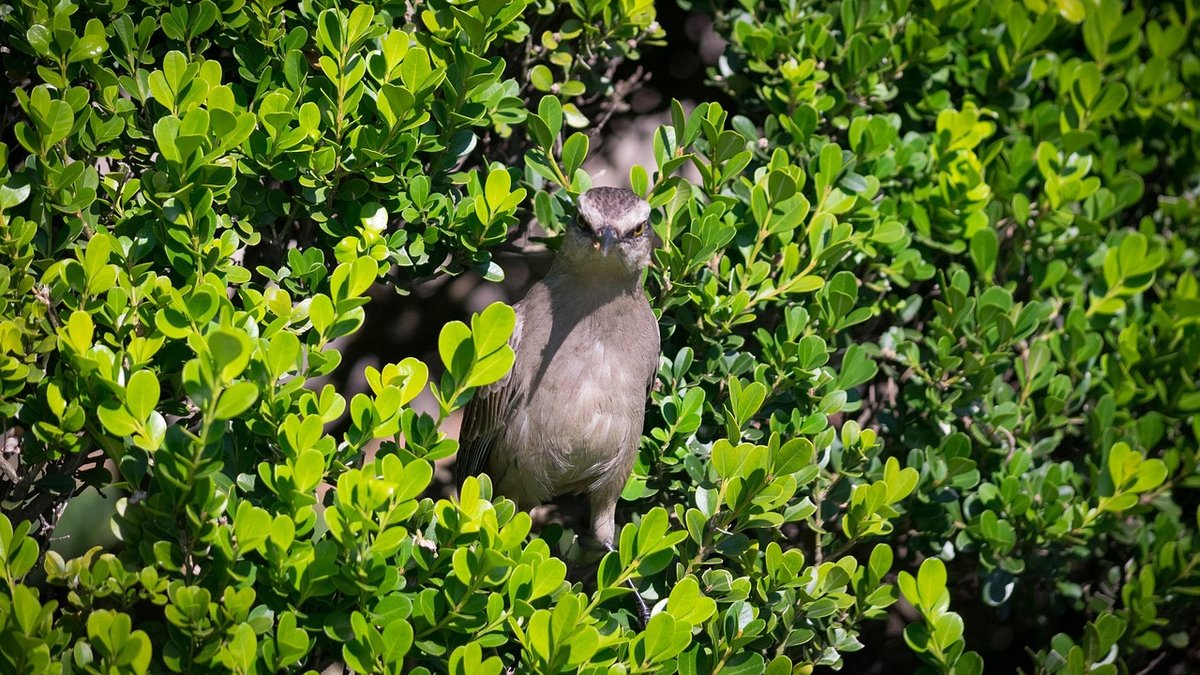
There is a moment in late spring at any lowland mere, canal or gravel pit when the water seems to be doing three things at once: grebes dancing, coots squabbling, and a swan sitting tight on a bundle of reeds that looks far too small to hold her. It is the most photographable time of year — and the most fragile.
A flushed bird is not just a missed photograph. It is energy spent, eggs left cooling, and a nest suddenly visible to carrion crows and gulls. Under the Wildlife and Countryside Act 1981 it is an offence to intentionally or recklessly disturb any wild bird while it is building a nest, or while it is on or near a nest containing eggs or young. For Schedule 1 species — kingfisher and little ringed plover among the waterside names — the protection extends to the adults and their dependent young as well. Ethical photography is not merely good manners; it is the law, and it is also the only way to keep getting the pictures you want for years to come.
There is no single magic number, but there is a reliable rule: the bird tells you. Learn its body language before you raise the camera.
As a starting point, keep 25 to 30 metres from a sitting great crested grebe or mute swan, and 50 metres or more from a tern or gull colony. A 400mm lens and a little patience will cover that distance comfortably; a phone and creeping closer will not.
The best waterside photographers are the ones you never notice. Length is your friend — a longer lens, a teleconverter, a tight crop, and a willingness to accept a little more grain in exchange for a lot less disturbance.
Flash is a non-starter around nesting birds. A sudden burst of light at close range can push a sitting bird off the nest entirely, and it can be genuinely disorientating at dusk or dawn. Work with natural light instead: the golden hour either side of sunrise and sunset, a higher ISO, and a shutter speed you can hand-hold or support with a tripod. Never use a torch or a red light on crepuscular species such as owls, and never photograph a nest from above by climbing or using a pole.
Noise matters too. A burst of ten frames per second sounds like applause to a sitting bird. Switch to electronic or silent shutter where your camera allows it, turn off focus beeps entirely, and minimise your own movement. Drones deserve a firm word: flying one anywhere near nesting waterbirds is likely to be a disturbance offence, and no aerial shot is worth a failed clutch.
Islands, shingle spits, floating rafts, the tangle of reed at the back of a bay, the inside of a rotten willow — these are where the nests actually are, and they are frequently marked. Buoys ring grebe platform nests. Temporary fencing guards gravel-pit margins. Seasonal notices close paths and car parks that run too near a colony.
A closed area is not aimed at you personally. It exists because somebody has already watched the site fail once. If it is roped, buoyed or signed, work from outside it without argument. If you see someone deliberately pushing a bird off a nest, report it to the landowner, the reserve warden or the police — quietly, and with a description rather than a confrontation.
Know the calendar. Great crested grebes begin their courtship in February and are sitting by April. Mute swans nest from March. Coots, mallards and tufted ducks follow through spring, reed and sedge warblers arrive in late May, and kingfishers may be using a bank tunnel anywhere between February and July. The quietest, kindest window is often a still morning in the middle of the week, when the reserve is empty and the birds are undisturbed.
Finally, think about how you share. Strip location data from images of sensitive species and never post nest coordinates, however tempting the engagement. A photograph of a bird at the edge of panic is not a triumph, however sharp it is. Take the extra ten minutes, keep your distance, keep your flash off, and you will come home with pictures you can be proud of — and a lake that will still be worth walking beside next spring.

Hi, my name is Anthony kuber. I am artist and fashion designer.
I love to travel and writing blogging.
Your email address will not be published. Required fields are marked *
Software Developer & Writer
Hey, I'm Diva, a developer and writer blending code and creativity. I'm driven by a deep curiosity and a relentless pursuit of excellence. Join me as I craft digital solutions and captivating stories.


